
Thin ceramic facings, designed tooth by tooth by a board-certified Consultant Prosthodontist — to suit your face, preserve your enamel, and last.
A veneer is a thin layer of ceramic bonded to the front surface of a tooth to correct its color, shape, size, or position within the smile. Done well, a veneer is not a new smile pasted over your own — it is your smile, restored and refined.
Veneers are not one product with one look. Every decision — how thin, how translucent, which ceramic, how much of the tooth (if any) is prepared — is made tooth by tooth. That is where specialist judgment matters.
Natural teeth are not uniformly white. They carry subtle gradients of color, translucency at the edges, and a surface texture that catches light. A veneer only looks natural when it reproduces all of this — and when its shape and proportion suit the face and lips it lives with.
This is Dr. Succaria's particular territory. His postgraduate research at Boston University examined the color, translucency and masking behavior of ceramic veneers, and he lectures internationally on color science in dentistry. The ceramic for each case is selected — and often layered — to behave like enamel, not paint.
The goal is dentistry no one notices. People shouldn't see your veneers; they should simply see you, looking well.
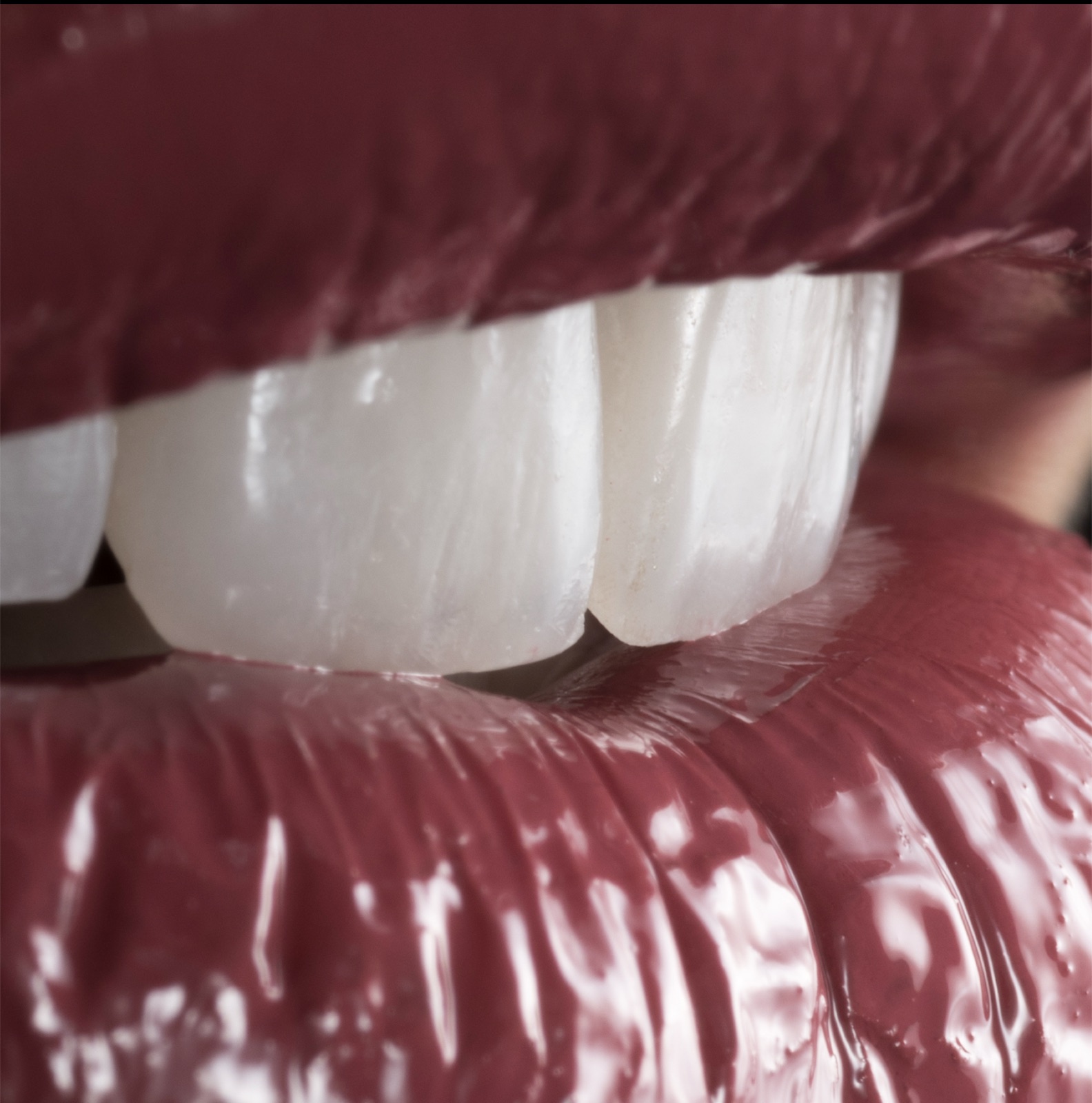
Dr. Succaria works with two ceramics most often — feldspathic porcelain and lithium disilicate (E.max) — and the choice between them is a clinical decision, made case by case, not a preference or a price tier.
A ceramist builds and fires each layer of porcelain individually, directly on the model — the traditional art of ceramic veneers. Because it's layered this way, it can reproduce how natural enamel scatters and reflects light with a subtlety no pressed or milled material fully matches. It can also be made extremely thin, so in the right case, little or no tooth preparation is needed at all.
Best for: the most demanding esthetic zones — front teeth where translucency and light behavior matter most — on healthy, unstained enamel.
The trade-off: technique-sensitive to build and bond; less forgiving of a compromised bite or a heavily discolored tooth underneath.
A pressed or CAD/CAM-milled ceramic engineered for a consistent balance of strength and esthetics. It masks minor discoloration more predictably than feldspathic porcelain and tolerates a wider range of clinical situations — including slightly worn or heavily filled teeth, and cases that call for extra durability.
Best for: most veneer cases — including where some strength or masking is needed alongside natural appearance — as well as crowns and larger restorations.
The trade-off: in the hands of a skilled ceramist, very high-end feldspathic work can still edge it out in raw translucency.
| Feldspathic porcelain | E.max (lithium disilicate) | |
|---|---|---|
| Built | Hand-layered by a ceramist | Pressed or CAD/CAM milled |
| Typical thickness | 0.3–0.5mm | 0.5–0.7mm |
| Translucency | Highest — closest to natural enamel | Very good, slightly more opaque |
| Strength | Lower — needs sound tooth support | Higher — more tolerant of complex cases |
| Masking discoloration | Limited | Better |
| Best suited to | Ideal esthetic cases, unstained teeth | Most cases; also crowns & larger work |
Neither ceramic is "better" — each is the right tool for a different mouth.
Which one suits yours is decided at your consultation, once your teeth, bite, and goals are understood.
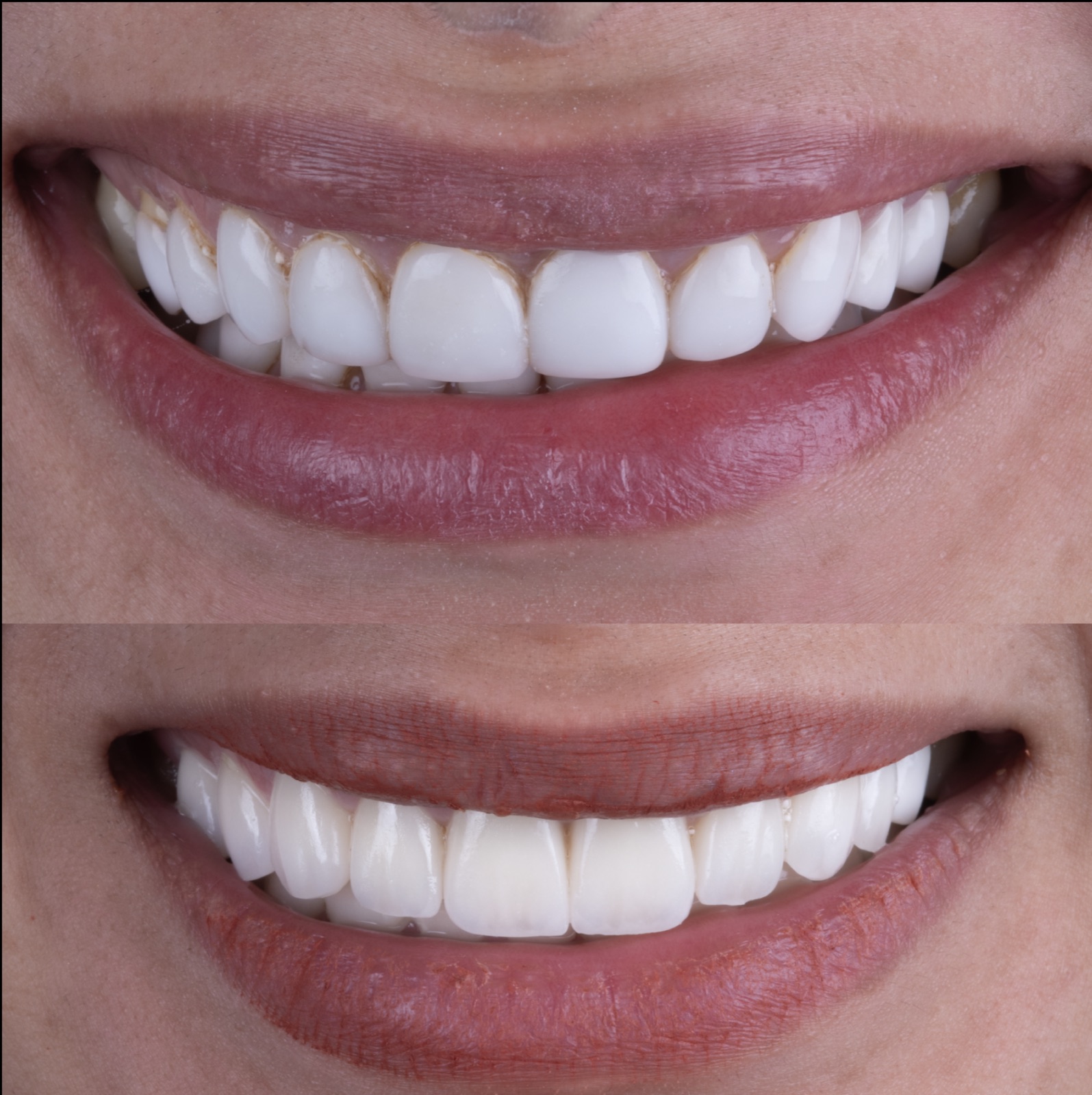
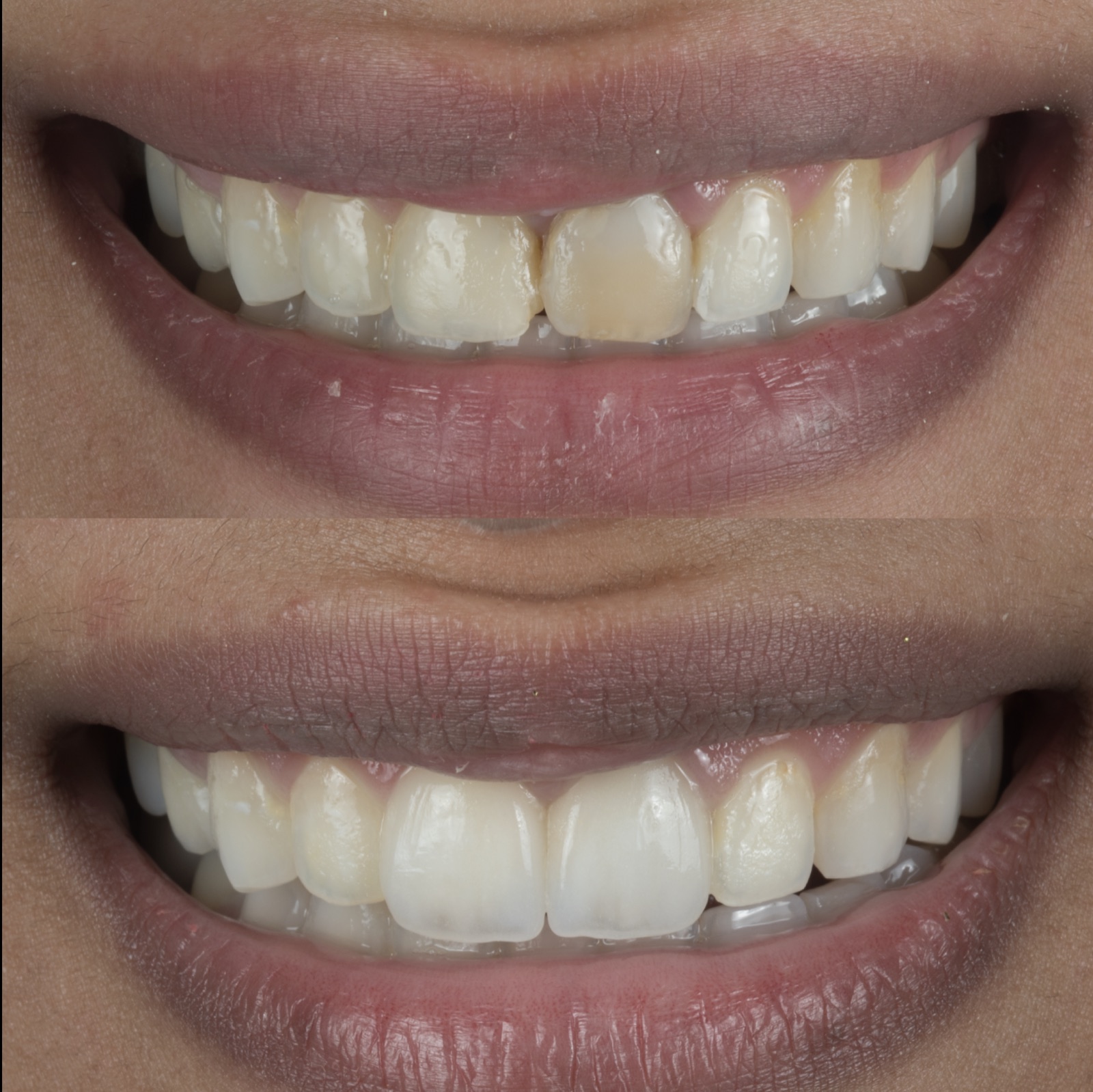
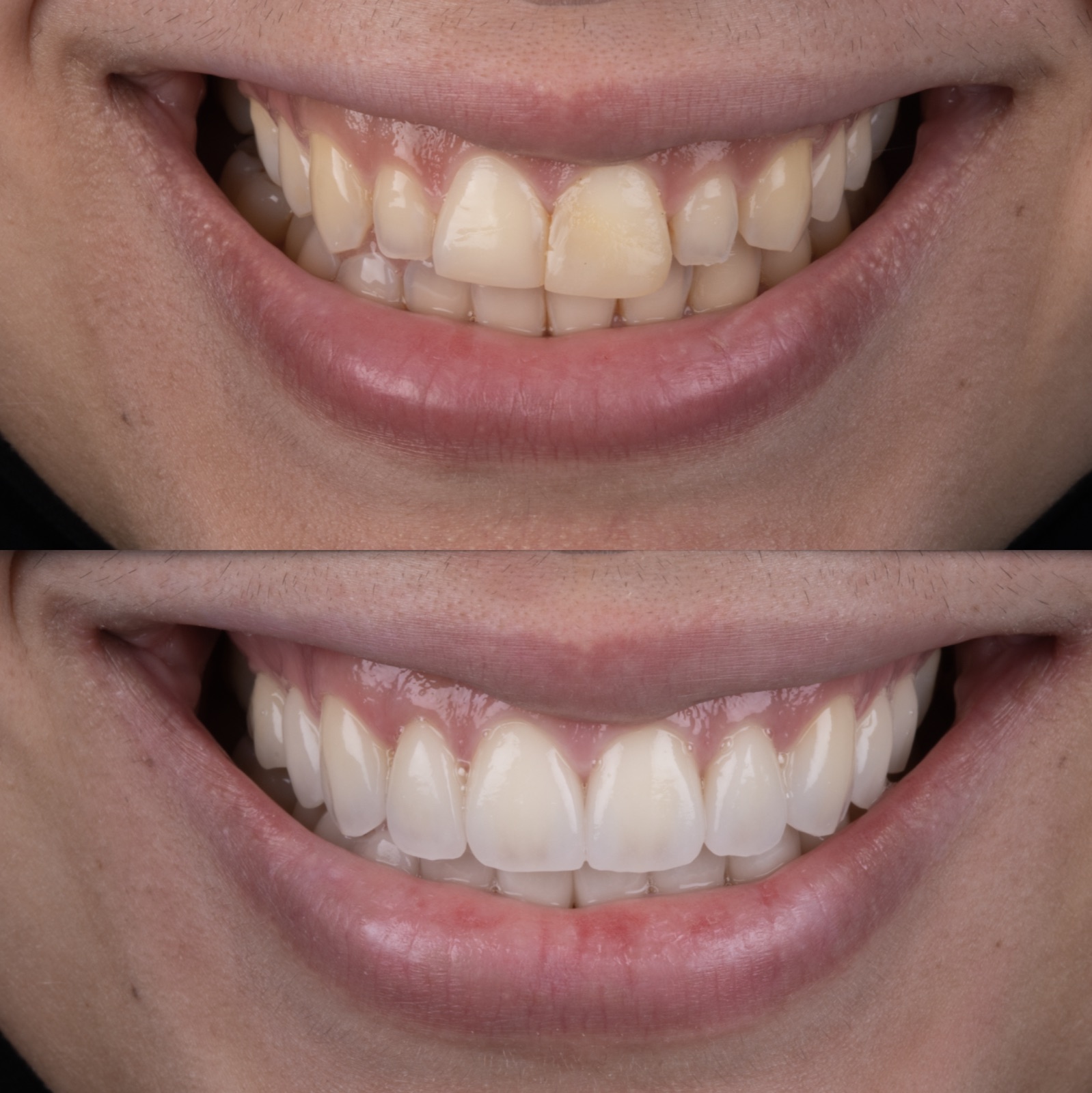
Cases treated by Dr. Succaria. Photographs shared with patient consent.
If veneers aren't right for you, you will hear that clearly — together with what is.
The less tooth structure removed, the stronger the bond and the longer the veneer's life. That is why nothing is drilled by feel: preparation is guided by the approved smile design, so each tooth loses only the minimum needed to make space for the ceramic — and in suitable cases, no preparation at all.
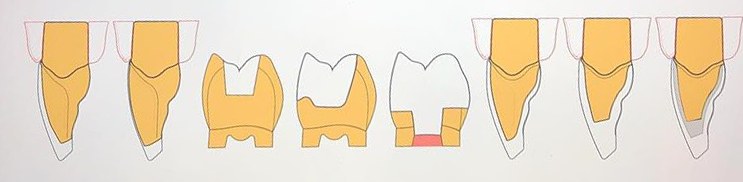
Examination, photographs, scans and bite analysis. We establish why your smile looks the way it does before deciding anything.
Your future smile is designed digitally, tooth by tooth — matched to your face, lips and proportions.
We look at the design together, discuss it, and refine it until you approve — before anything irreversible.
Minimal preparation, guided by the approved design — then precise impressions for the ceramic work.
The finished veneers are checked in place and approved by you, then bonded — and the bite is verified so they are protected in function.
Typically four visits over one to two weeks.
Published studies of ceramic veneers report high survival rates beyond ten years, and well-made, well-maintained veneers often serve considerably longer. What determines it is not luck: the quality of the bond, how much enamel was preserved, the stability of your bite, whether grinding is managed, and regular maintenance.
No restoration is forever — and honest planning includes designing veneers that can be maintained, repaired or renewed without harming the tooth beneath. Bite function is checked as part of every veneer plan; it is the hidden reason veneers last or fail. Learn about bite analysis →
A properly planned veneer preserves as much enamel as possible — and in suitable cases requires no drilling at all. Preparation, when needed, is minimal and guided by the approved design. What damages teeth is poor planning: over-aggressive grinding of healthy enamel to fit a pre-decided result. That is precisely what a diagnosis-first approach avoids.
Not if they are designed for your face. Veneers look fake when they are too opaque, too uniform, too white, or too bulky. Natural results come from individualized ceramic selection, translucency matched to your own teeth, and a trial smile you approve before anything is final.
As few as achieve the goal. Sometimes that is two, sometimes eight — and sometimes whitening first means fewer veneers than you expected. The number follows the diagnosis and the design, never a package.
Studies report high survival beyond ten years for bonded ceramic veneers. Longevity depends on enamel preservation, bite stability, grinding management and maintenance — all of which are built into the plan.
A veneer covers the front surface of the tooth and preserves most of its structure; a crown wraps the entire tooth. The right choice depends on how much healthy tooth remains — a specialist chooses the most conservative option that will last.
It depends on the number of teeth, the ceramic used and the complexity of your case — which is why quoting before diagnosis would be guesswork. After your consultation you receive a clear written plan with exact fees, and alternatives where they exist.
The first steps — consultation, diagnosis, design, trial smile — are entirely reversible. You'll know exactly what your result will look like before anything permanent is done.